



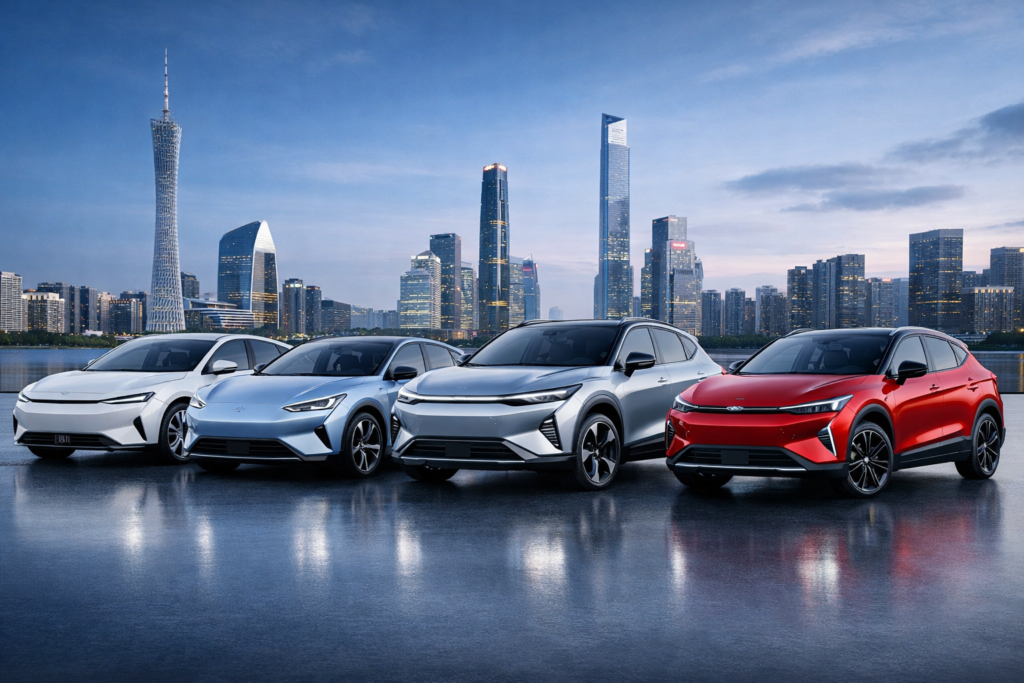

The world automotive sector is experiencing a radical change in 2026 and amongst the largest contributors to this change is the fast growing number of Chinese car manufacturers. Previously recognized as inexpensive car brands, Chinese brands are currently making high-tech, sophisticated vehicles at unbelievably low prices. Such a blend of cost-effectiveness and innovativeness is disrupting the conventional car makers in Europe, the U.S. and even developing economies such as India.
It is not just in electric vehicles (EVs) or artificial intelligence-driven infotainment systems, but Chinese car manufacturers are redefining the expectations of their consumers of what a modern vehicle is supposed to be, at a price that other competitors are finding hard to keep up with.
The reason why Chinese cars are becoming the focus of attention throughout the world.
The Chinese automakers have developed to be way more than they used to be. Electric mobility, smart functionality, and battery technology are today the top-innovative companies such as BYD, NIO, XPeng, and Geely.
Low-cost Advanced Technology.
Chinese brands are incorporating high-end functions such as autonomous driving, giant touchscreen dashboards, voice AI applications, and over-the-air updates, usually only found on high-end Western vehicles.
Strong EV Ecosystem
China has extensively invested into EV infrastructure and battery manufacturing and supply chains. This enables the manufacturers to build electric cars at a significantly lower cost than other manufacturers around the world.
Government Support
Chinese companies have been able to grow rapidly and compete at an international level with the aid of subsidies, tax breaks, and good policy support.
What Makes These Cars So Competitive?
Feature-Rich Interiors
Chinese vehicles are redefining the interiors through the provision of big touch screens, digital instrument clusters, and smooth smartphone connectivity as the norm. Users experience a high-quality, technologically-focused experience that is modern and intuitive, even in the lower-end segments.
Impressive Battery Technology.
One of the largest strengths of Chinese automakers is battery innovation. They are providing longer driving range, quicker charging and enhanced safety, which is making electric cars more viable and attractive to use in the real world.
Aggressive Pricing Strategy.
Chinese brands are cost-effective and manage the production and supply chains. This helps them to provide feature-packed cars at much lower prices and therefore be very competitive in price sensitive markets.
Rapid Innovation.
Chinese companies do not release updates and new models as slow as traditional automakers do. The rapid development and innovation ensures that their vehicles are current with the newest technology and consumer demands.
Effect on International Manufacturers.
Price Pressure
Chinese cars are cheap, and it is compelling world brands to re-evaluate their pricing models. Most of the well established companies are grappling with the inability to justify higher costs amid consumers who can access similar features at lower prices.
Faster Electrification
In order to stay competitive, conventional car manufacturers are hastening their transition to electric vehicles. The fast development of Chinese EVs has turned electrification into a necessity and not a choice.
Technology Race
Software, connectivity, and AI features are now being competed on, as opposed to just performance. To stay in the digital game, automakers across the globe are betting big on digital innovation.
International Expansion.
Europe
The Chinese EVs are becoming popular in Europe because they are not only cheap but also meet the stringent emission standards. Consumers are becoming more willing to use new brands that would be more valuable.
Southeast Asia & India
Chinese automakers are already gaining momentum in price-sensitive markets with their advanced features at lower prices. This renders them good competitors to the conventional low-cost automobile brands.
Middle East/Africa.
These markets are experiencing an increase in the need to have affordable and trustworthy cars. Chinese brands are getting in on this by providing convenient mobility solutions with current features.
Chinese Automaker Problems.
Even after their rapid ascent Chinese automakers are still struggling with a number of challenges. Establishing brand loyalty over the long term is a major concern since most consumers are still skeptical about reliability and resale value. Also, regulations like tariffs and import quotas in other countries can hamper their international growth. There is also competition by the well established automotive giants particularly where brand loyalty is a significant factor in the market.
Future Perspective of the International Car Market.
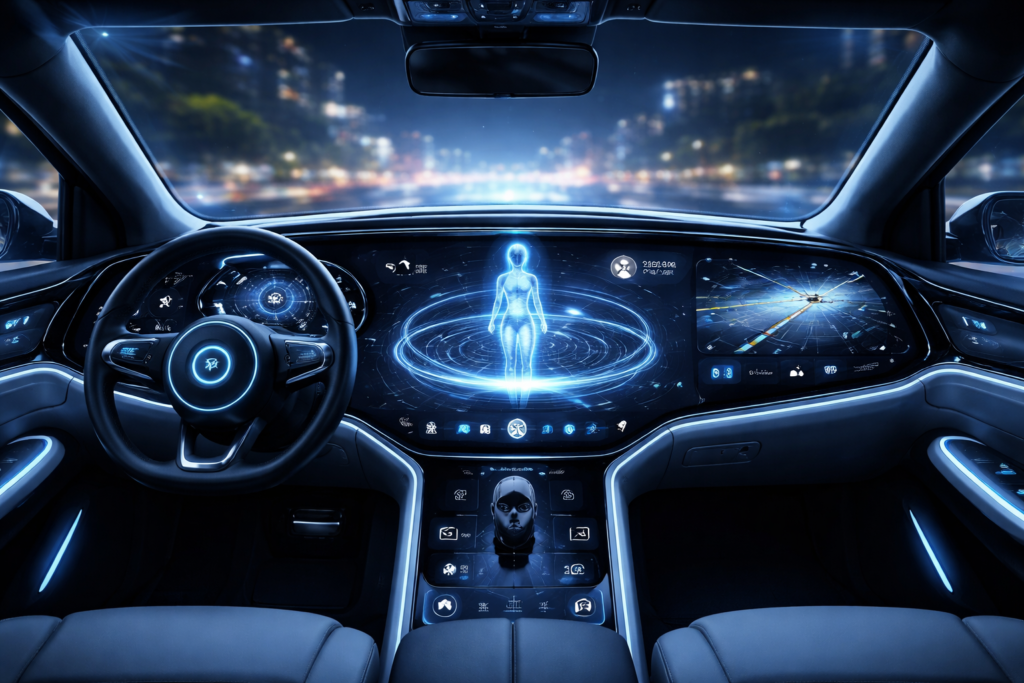
The future of the global auto market is expected to be heavily influenced by Chinese automakers, especially in the electric vehicle segment. With the ongoing development of technology, cars will increasingly be software-based, and AI, connectivity, and automation will become increasingly important. However, Chinese brands will gain even more influence and become more widespread internationally, pushing the competition to the next stage and promoting innovation in the industry in general.
Conclusion.
The Chinese low-cost and technology-laden vehicles are not only a fad, but a significant change in the international automobile industry. Chinese automakers are also playing with the heavy hitters in the industry and changing consumer expectations by being affordable and incorporating the newest technology. Consumers will be the final winners as competition escalates and the end result will be the availability of better technology, reduced prices and increased options than at any other point in time.
FAQs.
1. How come the Chinese cars are so inexpensive?
Local production, effective supply chains and government subsidies make Chinese cars cheaper.
2. Are Chinese cars reliable?
Reliability is gaining momentum, and brand perception remains different in markets.
3. What are the most successful Chinese brands of cars in the world?
The best players include BYD, NIO, XPeng, and Geely.
4. Do Chinese EVs work better than conventional vehicles?
They are highly technologized and cost-effective, yet the traditional brands have a higher legacy trust.
5. Will Chinese cars take over the world?
They will have a large market share particularly in EVs.