




The quality of fuel used is a very important but neglected factor in the performance of motorcycle engines, their fuel efficiency, and their life span. Due to the fluctuations in fuel prices and increasing awareness of riders on maintenance expenses, the quality of fuel they use has become of great concern. It depends on the kind of fuel to be used; either on a daily rider or a long-distance rider, the performance and the lifespan of the motorcycle are directly affected by the fuel used.
The technology and accuracy used in the development of modern-day motorcycles require clean and efficient combustion. Impurities in fuel may reduce the quality of fuel, which leads to undesired engine performance, lowered efficiency, and heightened wear and tear.
What Defines Fuel Quality?
The quality of fuels is defined by a number of criteria such as octane rating, chemical composition, cleanliness, and performance-enhancing additives. Quality fuel also maintains a steady combustion cycle and reduces the production of residues, and it also contributes to the proper maintenance of the engines.
Of great importance is the octane rating, which will identify the resistance of the fuel to knocking or premature ignition. Also, the modern fuel often contains detergents and additives that contribute to the cleaning of the engine components and the overall efficiency.
Impact on Engine Efficiency
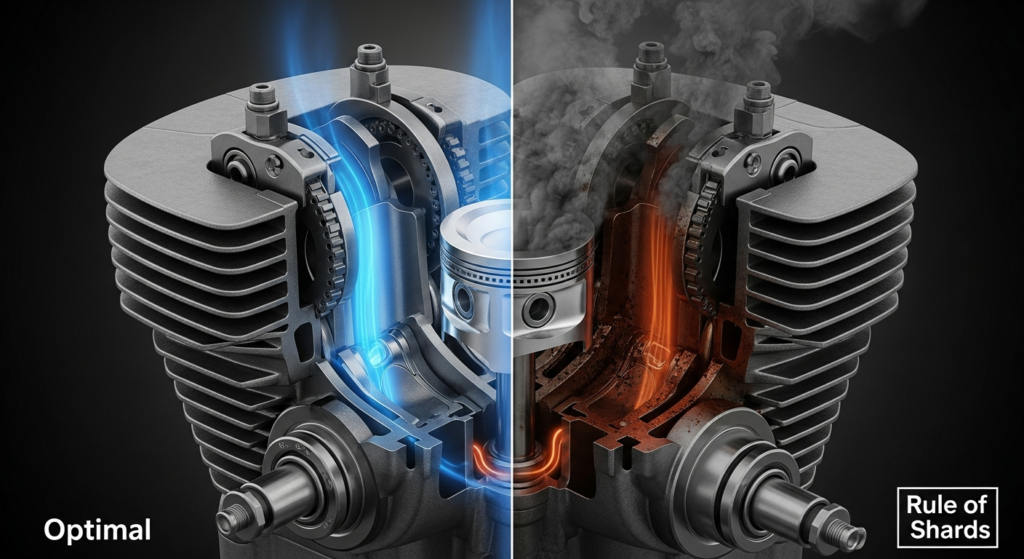
The efficiency of the engine is relative to the fuel efficiency in combustion within the engine cylinder. Burning of fuel fully and at the right time will give the optimum amount of power with the least amount of wastage. Poor fuel, however, interferes with this process by resulting in incomplete combustion and, therefore, lowering the energy produced and poor performance.
This inefficiency may come in the form of slow acceleration, erratic throttle reaction, and engine knocking. These problems not only compromise the quality of the ride over time but also put more stress on the engine parts, which will result in the component being worn out more quickly.
Conversely, quality fuel also facilitates a smooth and controlled burning process, therefore enabling the engine to run at the required efficiency levels. This leads to enhanced power delivery, an enhanced riding experience, and less strain on internal components.
Influence on Mileage
One of the most significant things to motorcycle users, particularly in areas where people have to commute daily, is mileage, or fuel efficiency. An engine can use a fuel that burns efficiently, and this fuel is used to extract more usable energy and, hence, high kilometers per liter (km/l).
Low-quality fuel, on the other hand, decreases the mileage due to incomplete burning of the fuel, leading to loss of energy. The riders might end up refueling more often, and the net effect is more fuel costs, though the cheaper fuel is of low quality.
Regular replacement of high-quality fuel and fuel will prevent the performance of the vehicle from being uncertain, and the mileage may remain the same. It also avoids slow loss of efficiency due to the accumulation of deposits within the engine.
Long-Term Engine Durability
The quality of fuel has a significant influence on the long-run sustainability of a motorbike engine. Other pollutants like dirt, water, and sulfur may be poured into the fuel system and lead to corrosion, obstruction, and breakage of delicate parts of the fuel system such as injectors and valves.
As time goes by, the deposits of carbon would build up within the combustion chamber of the engine, resulting in a lower level of engine efficiency and a rise in friction. The result is a problem of overheating, increased maintenance, and reduced engine life.
High-quality fuel with appropriate additives, on the other hand, will ensure that the engine is clean and well lubricated. It makes it wear and tear less, corrosion is avoided, and critical parts just work smoothly longer.
The important regards of fuel quality on motorcycles.
- Enhances engine combustion and engine power.
- It brings greater fuel efficiency and greater mileage in the long run.
- Reduces the amount of carbon deposits and maintains engine parts of the engine clean.
- Insurance for corrosion and fuel system damages.
- Along with the maintenance needs, it increases the life of the engine.
- Premium fuels and additives.
High-grade fuels are usually made with high-quality additives, which improve engine combustion and clean the engine parts. These additives may inhibit deposition, stabilize the performance of a fuel, and guard the engine against detrimental contaminated materials.
Although not all bikes in the market demand premium gasoline, engines with high performance may be assisted by high octane as well as special additives. The riders are advised that they should always consult the manufacturer’s rules and regulations before selecting the types of fuel so as to achieve the best outcome.
Environmental Considerations
Environmental sustainability is also directly affected by the quality of fuel. The burning of the fuel is efficient, and this minimizes the emission of harmful gases that include carbon monoxide and unburnt hydrocarbons. Less polluting fuel helps reduce the pollution levels and promotes the work of a green environment.
With more and more stringent emission standards, high-quality fuel would be even more important to ensure compliance and lower the environmental footprint of the vehicle.
Best Practices for Riders
Simple but effective measures should be used by the riders to ensure they reap maximum benefits from good fuel quality. Reliability and consistency are guaranteed by refueling at known and reputable fuel stations. Regular services are used to keep the engines healthy and identify problems at early stages.
Moreover, it is possible to prevent possible complications by avoiding unnecessary mixing of types of fuel and using additives only when needed. Careful consideration of the fuel quality is a minor action that can yield a lot of results in the end.
Conclusion
The quality of fuel is a determining factor in the motorcycle’s performance, which affects the engine efficiency, mileage, and durability. Although this can be tempting to use cheaper fuel solutions, the short-term gains could be costlier than the long-term effects.
High-quality fuel guarantees that rides are smoother, there is better fuel economy, and the engine has a longer life. With the ongoing awareness, riders are being advised to make informed decisions about fuel, which would not only improve performance but also improve sustainability.
Possibly the most frequent questions (FAQs).
1. Does an increase in octane fuel necessarily result in a performance increase?
No, higher octane fuel is only beneficial to engines that are specially made. Its use in regular engines may not do much to enhance performance.
2. Is it possible that the bad fuel quality will harm my motorcycle engine?
Yes, low fuel quality may lead to deposition, corrosion, and permanent damage of engine parts.
3. What is the way to recognize high-quality fuel?
Select popular fuel stations, monitor engine performance, and do not use fuel that results in irregular engine performance.
4. Are there any requirements for fuel additives?
Fuel additives are not always unhelpful and should be applied according to the instructions of the manufacturer.
5. Is the quality of fuel a factor in the level of emission?
Yes, it is true that cleaner combustion and less harmful emissions are achieved with the help of better fuel quality.