




A tranquil life revolution is emerging in the hustle and bustle of digital life and city living- Nonna Living and the Slow Village Lifestyle. This is based on the traditional wisdom and natural rhythms with the aim of being simple, sustainable and living meaningful lives. It does not mean leaving modern life, but redefining the way we go about it, at a slower, deeper, more mindful pace.
What is Nonna Living?
Nonna Living is based on the ancient traditions of the older generations who lived in harmony with nature, were patient and simple. It encourages balance in life, where there is no hurry in the daily lives and all activities such as cooking, resting among others are carried out mindfully and attentively.
Key values of Nonna Living.
- Homemade convenience, fresh food.
- Good family relationships and everyday activities.
- Use of natural, long-lasting materials
- Less hectic and deliberate lifestyle.
- Admiration of traditions and knowledge passed on.
The reason why Slow Village Lifestyle is a Trend.
The Slow Village Lifestyle is spreading around the world as individuals are looking to an alternative to burnout and excessive consumption. It is a change to sustainability, emotional health, and an appreciation of the environment.
The factors that have contributed to its increasing popularity.
- Increasing stress and mental exhaustion in life in the city.
- Raising the level of sensitivity on sustainable living practices.
- I need to eat healthier and have natural routines.
- Digital detox and offline balance are needed.
- Seek more powerful community and human bond.
Role of Community and Relationships.
The focus on human connection is one of the strongest components of Nonna Living and the Slow Village Lifestyle. In the conventional village context, relationships are neither quick nor business-like, they are profound, nurturing and enduring. The neighbors are acquainted with each other, they are able to spend quality time together as a family and everyday activities such as meals, discussions and celebrations are also shared.
This community gives emotional comfort and a sense of isolation usually experienced in an urban setting is minimized. The emphasis on relationships over productivity promotes a more rewarding daily experience and a stronger social background by this lifestyle.
Everyday Routines that Characterize this Style of life.
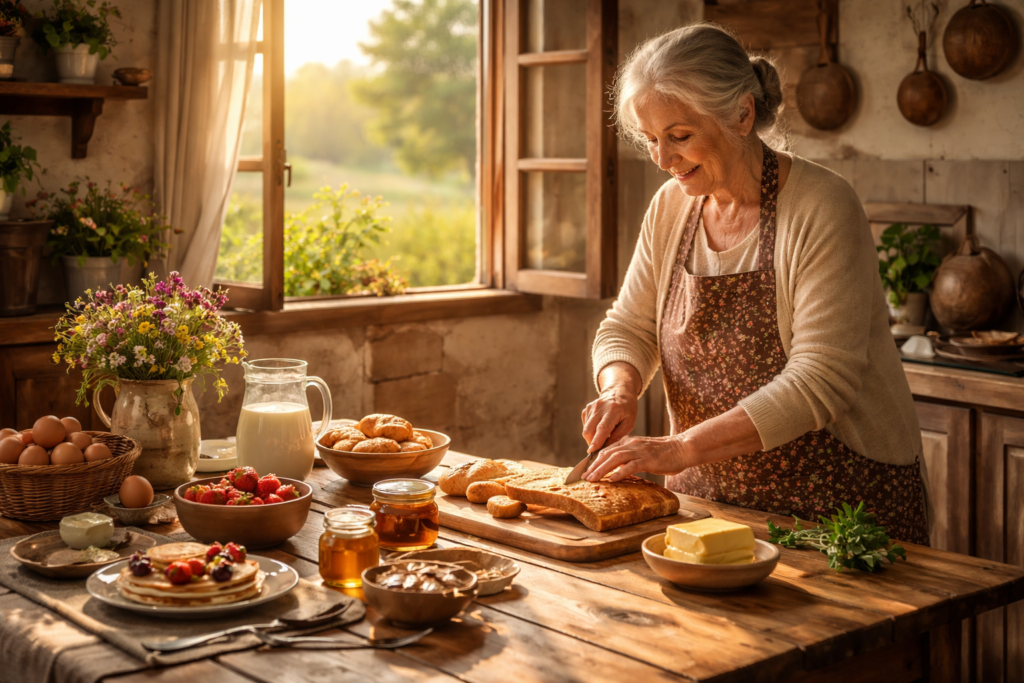
The life in this lifestyle is based on purposeful routines as opposed to busy schedules. The first thing in the morning is usually natural lighting, and then it can be simple and uncomplicated things like picking the garden, stretching, and making breakfast at a leisurely pace. Eating is not all about food but a time of being and thankfulness. Afternoons are less hectic, giving room to have hobbies or relax, whilst evenings are dedicated to having meaningful conversations and low-tech relaxation. This beat produces the feeling of tranquility and stability which contemporary life sometimes lacks.
Food, Agriculture, and Self-reliance.
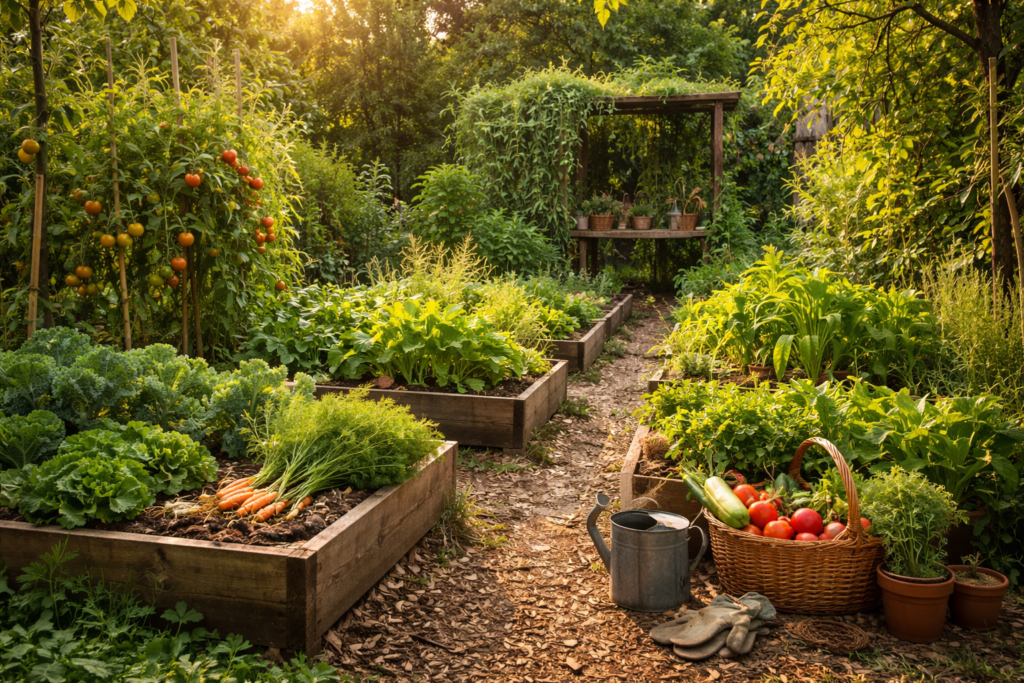
The focus of Nonna Living is food, focusing on freshness, locality and seasonality. People do not want to use packed goods; they would like to cook on their own with the help of the ingredients they are sure of. Small-scale growing practices, including kitchen gardens or balcony gardening, keep a large number of people in touch with the origin of their food. This will not only enhance the nutrition but also enhance appreciation of nature and hard work behind each meal.
Minimalism that Matters.
This way of life promotes simplicity that means something as opposed to the modern minimalism that tends to emphasize beauty. Houses are full of useful objects or those that have sentimental significance in their life; custom-made furniture, family utensils, and sturdy necessities. The notion is not to have less because of the appearance but to have more and better. This minimizes waste, saves money and provides a personalized living space that is grounded as opposed to trendy and temporary.
Mental Health and Emotional Well-being.
Deceleration can greatly affect mental health. Less frequent exposure to unending digital stimulation can reduce anxiety and enhance concentration. Being more in touch with nature and doing practical things such as cooking or gardening has a soothing effect. Moreover, more robust social relationships, be it with family or neighbors, are useful in creating emotional resilience. Such a way of living is an inherent way of maintaining a healthier mind as it eliminates the unneeded stress and promotes presence.
Are you able to live this lifestyle in the city?
With minor, purposeful adjustments, it is possible to adopt this lifestyle in the city. The most basic points are to build a balcony garden, prepare meals at home, and reduce screen time. The philosophy is also in line with supporting local markets, rather than large chains. Village life can be in your everyday routine, even in a bustling city, by organizing your schedule to slower and more meaningful activities.
Conclusion
Nonna Living and the Slow Village Lifestyle are signs of the significant change in the process of defining success and happiness by people. This movement is not about pursuit of speed and convenience but rather patient, connected and purposeful. It makes us remember that a happy life does not need more, but better decisions, more consciousness and going back to the simple and natural rhythms.
FAQs
1. What is Nonna Living?
Nonna Living is a lifestyle based on the traditional, slow and simple lifestyles of the older generations with a focus on natural ways of living and mindfulness.
2. Does slow living only apply to rural areas?
No, slow living does not have to be practiced in one particular place. It is an attitude and routine, not your place of residence.
3. What can I do to begin a sluggish lifestyle?
Begin with simple things that you can do at home, screen time, nature and create meaningful everyday habits.
4. Is it a costly way of living?
Not necessarily. It tends to save money promoting a decreased usage and an increased self-sufficiency.
5. What are the principal advantages?
Improved mental health, enhanced relationships, physical health and a more fulfilling life.