




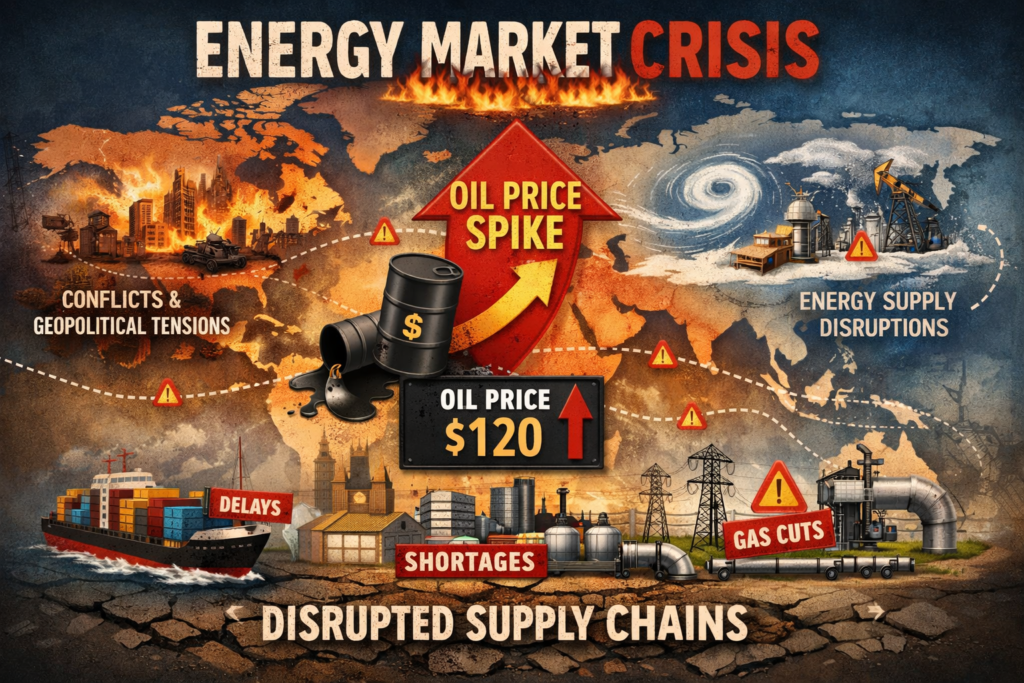

Geo-economic shocks and disruptions based on energy are becoming an increasingly significant factor in the global financial system in 2026. Political strains, fragmentation of the trade, and unsettled energy markets are closely interrelated in that they have ripple effects on the economies. These shocks are not isolated any longer, as they affect inflation, flows in investments, and the long run economic stability. With financial volatility being a constant issue worldwide, countries are increasingly focusing on energy security.
Geo-Economic Shock Understanding.
What is a Geo-Economic Shock?
A geo-economic shock is an unexpected shock in economic systems that is due to geopolitical events like conflicts, sanctions or trade wars. Such shocks are politically instigated and are a result of global strategic competition as compared to the traditional economic crises. However, in 2026, their occurrence and effects have been heightened, and economies are much more vulnerable to geopolitical risks.
Key Drivers in 2026
- Increasing geo-political tensions among big economies.
- Growth of trade barriers and trade sanctions.
- Disaggregation of international supply chains.
- Strategic resources such as oil and the rare minerals are contested.
- Growing economic nationalism and protectionism.
These drivers are making global trade redefine itself and they bring more uncertainty making countries and enterprises revisit their economic policies.
Energy = Core Catalyst.
The Significance of Energy Markets.
Modern economies are based on energy. It has a direct effect on production, transportation and consumption. Increase in the energy prices leads to an increase in inflation, which lowers purchasing power, and decelerates economic growth. In the year 2026, the energy markets will be very volatile as there will be disruptions in the supply as well as uneven energy transitions.
Significant Triggers that are energy-related.
- Severe changes in the prices of oil and gas.
- Interruptions in world supply chains of energy.
- Sluggish switch to renewable energy systems.
- Embargo on export by the energy-producing countries.
- Increase in demand in major parts of the world.
These catalysts can be the initial step towards a broader financial crisis, involving a variety of industries at the same time.
Financial Stability: The Domino Effect.
Influence on Financial Systems around the Globe.
The occurrence of geo-economic shocks and energy disruptions brings about financial instability across the board. Increasing energy prices cause inflation, which induces an increment in the interest rates by the central banks. This has an impact on borrowing, investment and growth of the economy. There are more fluctuations in currency, particularly in the emerging markets and stock markets respond to uncertainty strongly.
Banks and Investment risks.
Banks and other financial institutions are becoming more exposed to risks associated with energy volatility. Banks begin to default on loans in energy-intensive sectors, assets become volatile and investor confidence is lost. This causes capital flows to be volatile and increases financial market volatility and systemic risks.
The Importance of Energy Transition.
Move to Renewable Energy.
The idea of renewable energy is necessary globally towards long-term sustainability. Nevertheless, the transition phase is a complicated one and creates a state of instability in the short-term. Although renewable energy ensures a decrease in the reliance on fossil fuels, the transition implies enormous investments and organization.
Difficulties in Transition.
- Expensive infrastructure development of renewables.
- Lithium and cobalt are some of the critical minerals that are being shortened.
- Limitations in storage of energy using technology.
- Differences in policies between countries.
- Laggardly uptake in the developing economies.
These issues pose uncertainties both in the energy market and the financial system in the period of transition.
Regional Impact Analysis.
Emerging Economies
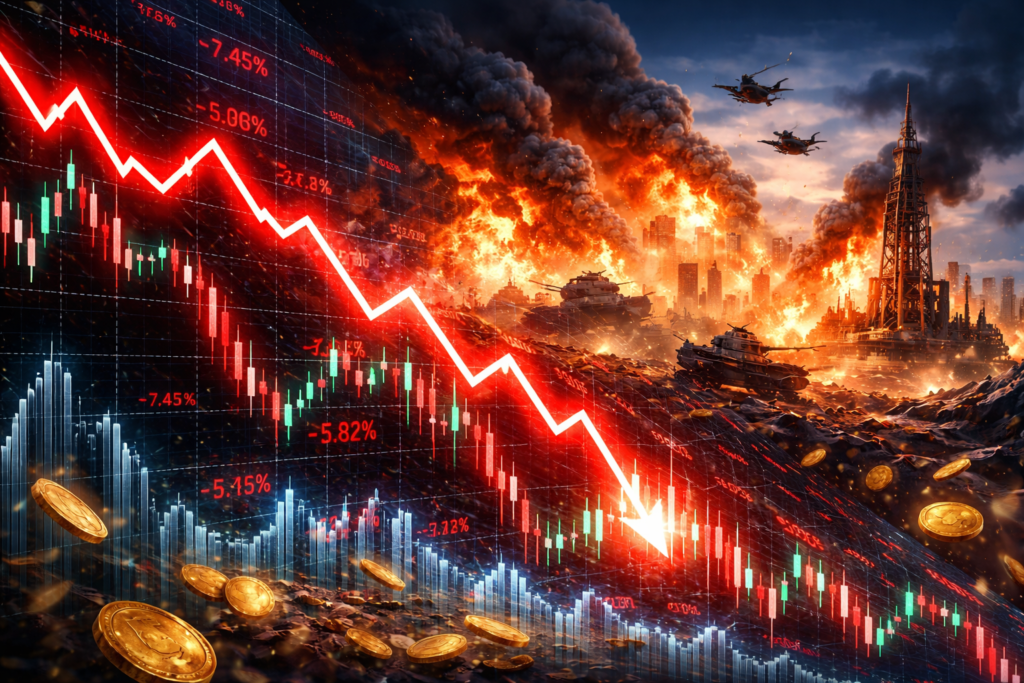
Emerging markets are extremely sensitive as they have to depend on imports of energy and do not have sufficient financial strength. The geo-economic shocks tend to cause inflation, currency depreciation and increasing debts in these areas.
Developed Economies
Developed countries are under inflationary pressures with slowing growth in industry and policy predicaments. The need to balance the growth of an economy with the environment is still a major challenge to these economies.
Exporters of Energy.
Exporters of energy are advantaged by the increase in prices but have a fluctuating revenue. Relying heavily on the energy sectors may reduce diversification and pose risks to the economic performance in the long-term.
Strategy Responses and Risk avoidance.
Government-Level Actions
Governments are aiming at enhancing energy security and economic resilience. They are diversifying their energy sources, establishing strategic reserves, and enhancing global collaboration in order to deal with risks in the world.
Strategies in the financial sector.
Risk management approaches that financial institutions are implementing include portfolio diversification, investments with an emphasis on the ESG, and energy price hedging. There is also a changing regulatory framework to deal with systemic risks.
Corporate Adaptation
Companies are changing by making investments in energy efficiency, alternative energy sources, and redesigning their supply chains. Businesses that take a preemptive action in dealing with risks are at a better position to endure in the turbulent environment.
Future for 2026 and Beyond.
The Trends to Keep an eye on.
It is likely that the global economy will get more geopolitically divided, and formations of alliances in the energy sector will occur, with faster adoption of renewable technologies. Digital currencies can also impact the world systems of energy trade.
Long-Term Implications
Age-old problems will be geo-economic shocks and energy instability. Countries and groups that invest in resilience, innovation and sustainable energy solutions will have a competitive edge in the changing global landscape.
Conclusion
In 2026, the world economic system is being redefined by geo-economic shocks and financial instability fueled by energy. The close connection between the geopoliticism, energy markets and financial systems implies that the disruption may easily propagate globally. Although renewable energy is a stable source in the long term, the ongoing transition period is characterized by an unstable and uncertain situation. In order to navigate in this environment, governments, financial institutions and businesses need to be flexible in their strategies and concentrate on resilience.
Frequently Asked Questions (FAQs).
1. What are the causes of geo-economic shocks?
Geopolitical events like conflicts, sanctions and trade restrictions are geo-economic shocks that cause disruption of economic systems.
2. What is the effect of energy on financial stability?
The cost of energy affects inflation, cost of production and value of currency and financial systems are very susceptible to any changes in the market.
3. Why are emerging markets more affected?
They are very reliant on imports of energy and lack financial strength, making them more susceptible to shocks.
4. Is renewable energy decreasing financial instability?
It is long term beneficial, but transitioning is introducing volatility and uncertainty at the moment.
5. How can financial risk be minimized?
Financial risks are managed through diversification, sustainable investments and good policy frameworks.